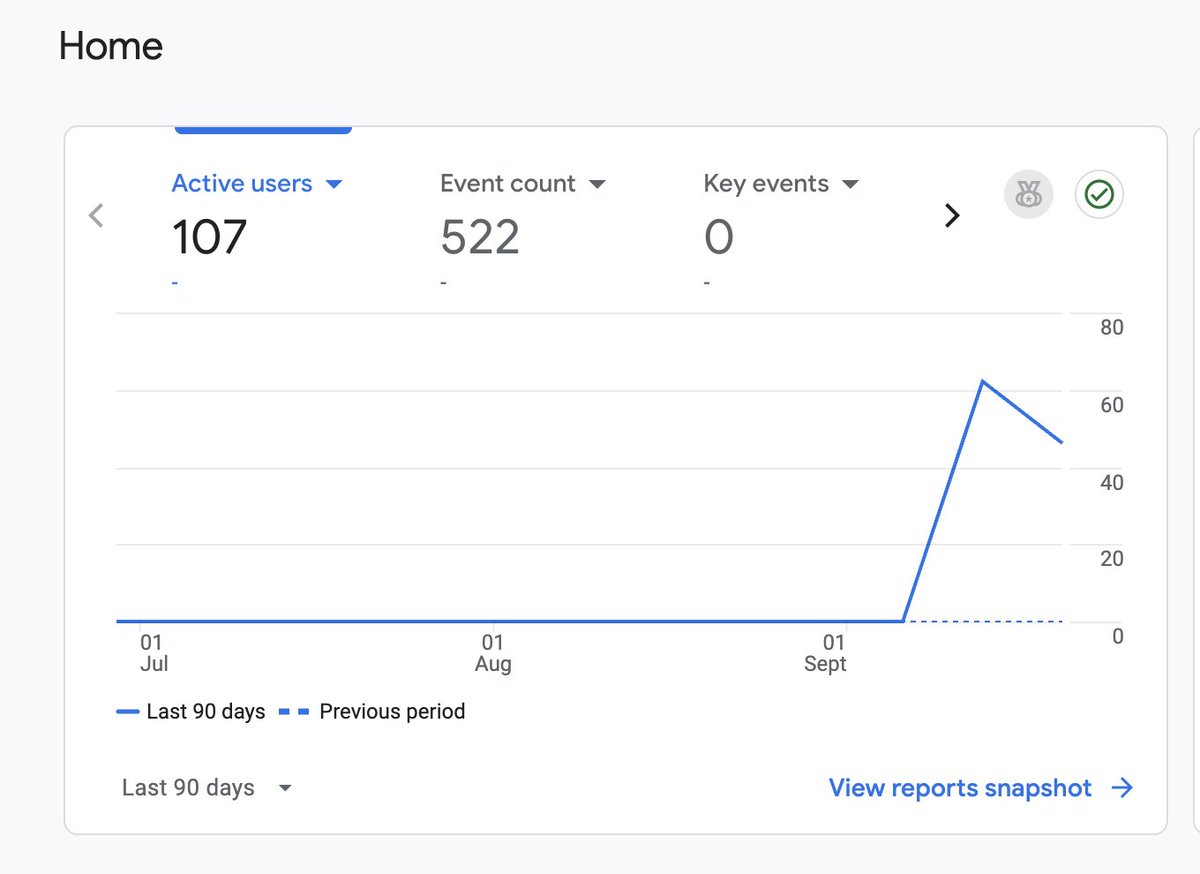
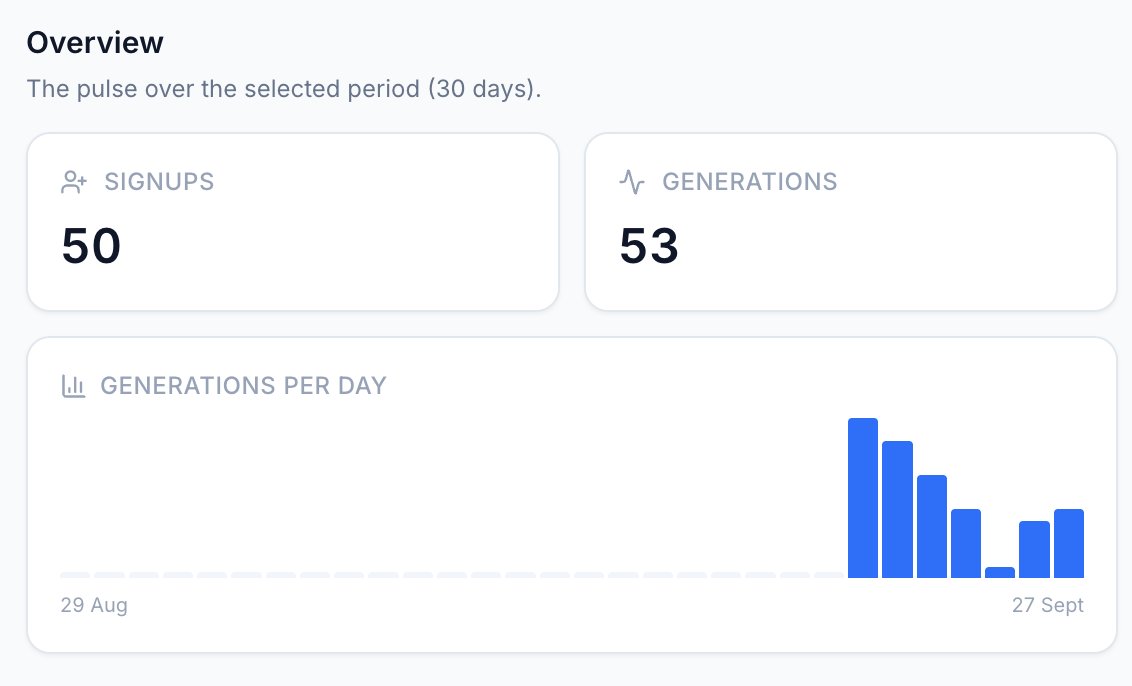
This is probably going to be an unpopular take, but I want to share my thoughts on the @HyperliquidX ecosystem as a builder. Disclaimer: HYPE is my biggest bag. This isn't criticism of Hyperliquid, the HL team or HYPE as an asset. It's more of a digest of my last two years trying to build (and helping others do the same) in The House for all Finance. Many of you might know me as "that guy from Vortx." Back in the HFUN days, I built an HL frontend called Vortx, with a bot that let you trade straight from Discord. Thanks to our small community, we bonded on HFUN and launched on HL spot. But we weren't making any revenue, since we didn't charge fees. We did 18M in volume in 7 months, and I eventually decided to shut down the trading infra because, in the end, nobody was really using it. Then we pivoted Vortx into an on-chain, permissionless prediction market. This was pre-HIP-4, and the idea was that you could pay a small amount of tokens to launch your own market and earn 10% of the trading fees it generated as "creator rewards." Token holders could also stake their tokens and act as oracles, voting on market resolution and earning some fees. Looking back, this was just a bad call I made while trying to give the token some utility (I still hold 90% of the Vortx tokens I ever got my hands on, now worthless). Trying to compete with Polymarket and Kalshi at the time, with no resources, was a race to the bottom. That was my first experiment. Back then, I thought the apathy from the ecosystem and the community came from the product being bad, or from the ecosystem not being mature enough, or big enough, for a product like this. On to the next one! 2025 was full of different projects. We built the first on-chain poker room (pre-VEGAS), and I also worked with three teams as a software engineer, trying to ship 1) an NFT marketplace, 2) a volatility trading venue and, towards the end of the year, 3) a native app built on builder codes that also integrated other venues like Lighter. The poker dApp never got enough traction. We ran 70+ events with different NFT communities (from Hyperliquid and Solana), dozens of tournaments, and even managed to onboard some Solana whales whose rake kept the platform alive for a while. BUT how is it that a platform on HyperEVM gets most of its user base from another chain? Especially considering how many thriving NFT communities Hyperliquid had back then (and still has). I eventually had some differences with my co-founder and decided to leave. They're still at it, it still has zero regulars and barely any community WITHIN the HL eco. Most of the activity is, again, coming from outside. The NFT marketplace never got traction either, and I think that's part of a pattern: basically every NFT marketplace native to HL has died. The native app did better, thanks to the relentless work of its two founders. But despite doing a billion in volume in its first two months, most of the activity came, again, from outside the HL eco. They're doing okish: they found a small niche in the Asian market and are raising to expand onto other venues. The HL side of the business is pretty much dead. "Why would anyone use anything other than the HL website and pay more fees?" you might ask. That's a fair point, and you're right. Usually there isn't enough added value to justify the extra fees, and the volume in these kinds of apps usually comes from a points program. The volatility trading venue died on testnet. It ran there for almost three months, onboarded 107 users and did a little over 10M in volume, but it failed to raise enough to cover the audit and move to mainnet. 90% of its testnet users came from, you guessed it, other chains and communities outside the HL eco. And it isn't only us. I've watched protocols, marketplaces and HIP-3 deployers sunset one after another. Some never found PMF, but most of them never got the support to find out.
Volume
18M
7 months
How they grewSmall community on HFUN; later on-chain token launch
X postFinance · Website
Vortx
A Discord bot for traders and communities on Hyperliquid.
ProblemTrading tools and prediction markets lacked enough users and revenue.
- So far
- 7 months